The Technology Evolution in Game Localization: How AI and Machine Learning Are Transforming the Gaming Industry
The global video game industry is one of the fastest-growing entertainment sectors in the world, with billions of players spanning continents and cultures. To truly engage players worldwide, localization (the adaptation of a game’s content, dialogue, interface, and cultural references to specific languages and regions) is absolutely essential.
But as game development becomes more complex and expansive, traditional localization methods have struggled to keep pace. This is where Artificial Intelligence (AI) and Machine Learning (ML) step in, revolutionizing the way localization is handled.
This article examines the technological advancements in video game localization, particularly how AI and machine learning are enabling more efficient handling of complex game narratives.
1. AI-Powered Translation Engines: Faster, Smarter, and More Accurate
The introduction of Neural Machine Translation (NMT) has revolutionized how text is localized in games. Unlike earlier rule-based translation engines, NMT uses deep learning algorithms trained on vast datasets of multilingual content:
1.1. Revolutionizing Game Translation Through Neural Machine Translation (NMT)
PC Game localization once relied on manual translation or older machine translation systems that produced awkward or literal results. The introduction of Neural Machine Translation (NMT) changed everything. Unlike traditional phrase-based systems, NMT uses deep learning models to process entire sentences or paragraphs as a whole, allowing it to capture context and meaning more effectively.
In large narrative-driven games like The Elder Scrolls or Assassin’s Creed, this means AI can maintain consistency across character dialogue, lore, and item descriptions, areas where previous systems often struggled.
1.2. Speed and Scale in Localization Workflows
AI translation engines allow developers to localize massive text databases in a fraction of the time it would take with manual work alone. Games with branching narratives or dialogue trees (common in RPGs) benefit immensely because thousands of dialogue variations can be translated rapidly.
Instead of spending months on first drafts, localization teams now receive machine-generated translations almost instantly. This lets human translators focus on polishing the text for cultural tone, sarcasm, and character personality, ensuring that the final version feels natural to players.
2. Natural Language Processing (NLP): Giving Characters and Dialogue Authentic Voices
Games are no longer simple scripts with basic dialogue, they’re interactive worlds with living characters who have distinct voices, motivations, and emotions. NLP enables localization systems to analyze the tone, style, and emotional intent behind lines of dialogue. This makes the translation feel alive, not robotic:
2.1. Beyond Words: Understanding Context and Emotion
Translating games is not just about converting words, it’s about preserving the soul of characters and storylines. This is where Natural Language Processing (NLP) shines. NLP enables localization tools to understand tone, sentiment, and intent behind dialogue, making translations more authentic.
For instance, sarcastic or humorous lines can easily lose their meaning in translation. NLP detects these subtle cues, helping translators or automated systems retain the original flavor of the dialogue.
2.2. Real-Time Communication in Multiplayer Games
In online multiplayer environments, real-time chat translation powered by NLP enhances global communication. Players speaking different languages can work together more efficiently, with AI maintaining contextual accuracy in team-based games like Fortnite or Apex Legends. NLP also helps moderate chats by filtering offensive content while still maintaining the integrity of player interactions.
3. Automated Quality Assurance (QA): Finding Localization Errors Before Players Do
As game worlds grow larger and branching narratives become more complex, manual quality assurance simply cannot keep up. Automated QA, powered by machine learning, scans thousands of dialogue lines, UI screens, and menus to catch localization errors that might otherwise slip through.
3.1. Automated Detection of Technical Errors
Localization isn’t only about correct translation, it’s also about how that translation fits within the game environment. Text might overflow menus, break UI layouts, or display incorrectly during cutscenes. Automated QA tools powered by machine learning can scan the game interface to identify these errors early.
For example, automated systems can instantly flag untranslated strings, inconsistent terminology, or text overflow that might go unnoticed until after launch. This ensures a polished and professional presentation across all languages.
3.2. Complementing Human QA with AI Efficiency
While human testers are still essential for creative judgment, automated QA handles large-scale error detection that would be impossible to manage manually. This hybrid approach allows developers to achieve faster release cycles, particularly important in the era of global, simultaneous game launches.
4. Voice Synthesis and AI Dubbing: Redefining Audio Localization
Voice-over localization is one of the most expensive and time-consuming parts of game localization. AI voice synthesis, driven by deep learning, can generate high-quality, expressive voice acting in multiple languages. This enables studios to create localized audio versions of games much faster and at a lower cost:
4.1. Breaking the Barriers of Cost and Time
Voice acting is one of the most resource-intensive elements of game localization. Hiring voice actors, booking studio time, managing multiple recording sessions for different languages, it all adds up in both time and expense. Traditionally, only blockbuster games could afford full audio localization in many languages.
With the emergence of AI-powered voice synthesis and text-to-speech (TTS) technology, developers can now generate realistic, emotive voices without needing massive production budgets. These AI voices can mimic emotional tones like anger, fear, or excitement, producing believable performances for a wide range of characters.
4.2. Bringing Audio Localization to Indie Games
This technology particularly benefits indie developers or mid-tier studios. While previously they might have released only text-based translations, now they can provide full voice-over localization to reach broader audiences. AI-driven dubbing also enables faster iteration; if dialogue changes late in development, re-recording is no longer necessary, developers simply regenerate the audio with the updated script.
5. Adaptive and Personalized Localization: Gaming for Every Player
Machine learning can analyze player behavior and preferences to dynamically adjust localization settings:
5.1. Tailoring Language to Player Preferences
Not every player responds the same way to localization. Some prefer formal, literal translations, while others enjoy regional slang or humorous adaptations. AI-driven localization engines, combined with machine learning algorithms, can personalize language style dynamically based on the user’s preferences, geographic location, or even gameplay behavior.
For instance, a younger audience might be served with more casual or playful translations, while older players might prefer a formal tone. This adaptive localization increases immersion by making players feel like the game was crafted specifically for them.
5.2. Real-Time Personalization in Online Games
In live multiplayer games or live-service models, AI can adapt in real time. If certain phrases or cultural references don’t resonate with a specific community, updates can be rolled out rapidly. Machine learning continuously analyzes user feedback and engagement to refine these localization choices, ensuring that players remain connected to the game on a personal level.
6. The Challenges and Human Collaboration
Despite the advancements, AI cannot fully replace human expertise. Cultural sensitivity, creative adaptation, and humor often require human input. The ideal model is AI-human collaboration, as you can find here:
6.1. Why Human Expertise Remains Essential
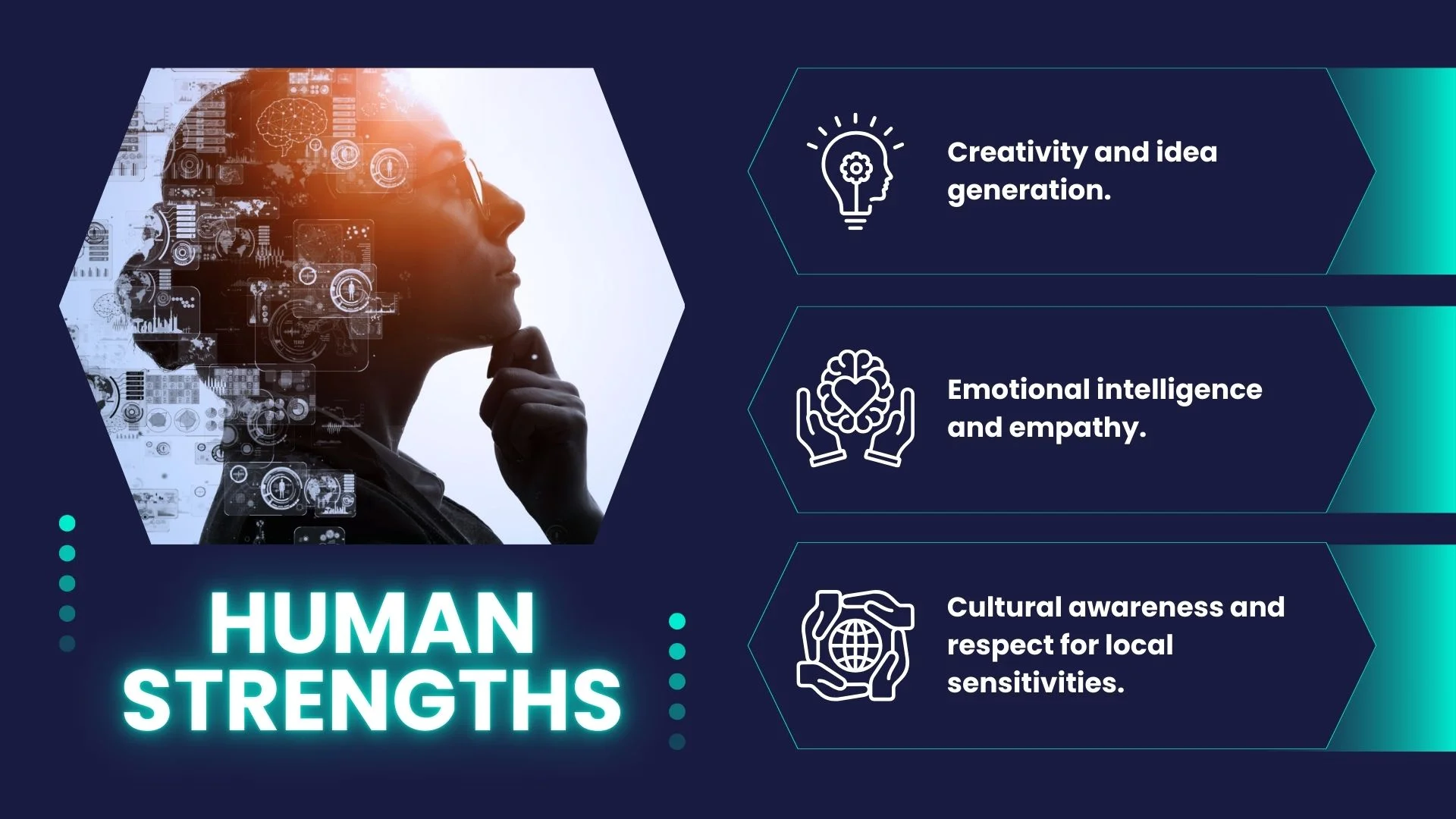
Despite the impressive capabilities of AI and machine learning, human localization specialists remain indispensable for certain key areas. Language is deeply cultural, and humor, idioms, taboos, and local sensitivities often require human understanding to navigate correctly.
For example, a joke that’s hilarious in English might be offensive or meaningless in another language. Human translators and editors can creatively adapt content to maintain the spirit of the original while ensuring it resonates with the target culture.
6.2. The Balance between Automation and Creativity
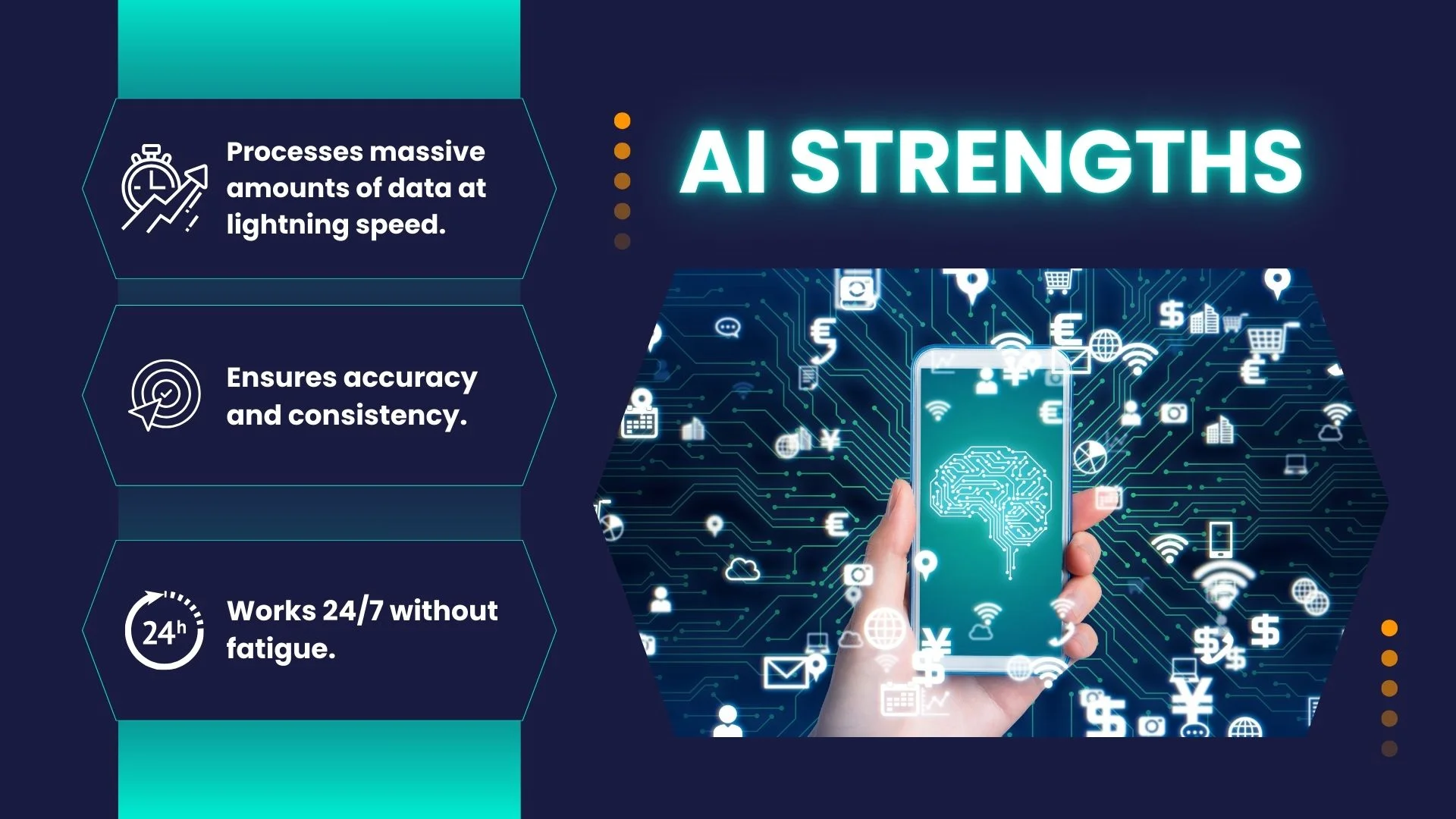
AI excels at handling volume, consistency, and speed, but human professionals provide creativity, emotional timbre, and cultural intelligence. Successful localization projects today rely on a hybrid approach: AI handles the repetitive, technical tasks (mass translation, terminology management, automated QA) while humans refine tone, humor, and cultural relevance.
A Final Word
AI and Machine Learning are not just improving game localization, they’re transforming it. With faster turnaround times, more languages supported, better voice and text accuracy, and real-time personalization, developers can now reach global audiences faster and more effectively than ever before. As a result, the gamer(s) will experience more inclusive, immersive, and successful gaming experiences worldwide.