Gaming Without Borders: The Impact of Professional Translation and Localization on Video Game Success
Video games took their first baby steps in the early 70s. Since then, it kept progressing and escalating into an international business sector worth several hundred billion dollars. The industry growth success is most commonly due to the localization efforts that enable video game companies to recover investments by reaching the largest audience possible.
Today, as there are millions and millions of players around the globe, game programmers have unparalleled possibilities to exploit new different markets and appeal to a wide range of people. At the same time, this growth presents obstacles, especially when it comes to localization and translation.
This essay aims to pinpoint the several qualities of how translation and localization services contribute to the video game industry.
What Is the Game Translation Process?
This process requires close collaboration between developers, translators, and localization experts to ensure a high-quality, culturally appropriate gaming experience for international audiences:
1. Content Analysis and Preparation
Identifying translatable elements. The first step is to analyze the game content and identify all elements that need translation, including dialogue, menu text, in-game instructions, and other text assets.
Resizing text boxes of the user interface (UI/UX) for languages with longer words (e.g., German) or supporting right-to-left text (e.g., Arabic). The following step is adjusting calendars, time zones, and date and currency formats (e.g., ¥, €, $). Additionally, once identified, the text strings should be extracted from the game’s code and prepared for translation.
2. Translation and Localization
Firstly, the extracted content is translated into the target language(s) using Translation Management Systems (TMS). Some organizations use CAT tools (Trados, MemoQ) or translation platforms. Some indie games recourse to fan translations (e.g., Stardew Valley), though professional localization is preferred for consistency.
Then there is the game culturalization. This step involves modifying the game content to make it culturally appropriate and relevant for the target audience. Additionally, there is the voiceover work. If the game includes voice acting, new voiceovers may need to be recorded in the target language.
3. Quality Assurance and Integration
Quality assurance phase starts by taking the translated content through review and testing to ensure accuracy and consistency. Then, the translated text will be reintegrated into the game’s code and assets. Finally, the localized version of the game is tested to ensure all translated elements function correctly within the game environment.
4. The Final Localization Steps
The translated files should be converted back to the original game file formats. There are the additional follow-up QA quality checks performed to ensure the translated content is properly integrated and functioning as intended.
Professional translation plays an indispensable role in the international success of video games, impacting various aspects of the gaming experience and business outcomes.
Enhanced Player Experience
Professional translation ensures that players can fully immerse themselves in the game’s world, regardless of their native language. This includes:
1. Immersive Storytelling
High-quality translation ensures that the game’s narrative, dialogue, and character development are accurately conveyed in the target language. This allows players to fully immerse themselves in the game world, understanding hints and emotional depth that might otherwise be lost in poor translations.
2. Seamless Gameplay
Accurately translated instructions, tutorials, and user interfaces enable players to navigate the game smoothly. This reduces frustration and confusion, allowing players to focus on enjoying the game rather than struggling with language barriers.
3. Cultural Adaptation
Professional translators can adapt historical references, humor, and figurative expressions to resonate with the target audience. This cultural localization ensures that the game’s content remains engaging and relatable across different cultures.
A well-translated game allows players to understand the narrative, follow instructions, and engage with the content without language barriers, leading to higher satisfaction and engagement.
4. Expanded Market Reach
Once developers start localizing games for different markets, they will significantly broaden their audience.
5. Global Accessibility
When developers offer the game in multiple languages, they will reach players who prefer or only play games in their native language. This significantly expands the potential player base beyond English-speaking markets.
6. Competitive Edge in Local Markets
Localized games can compete more effectively with local products, appealing to players who might otherwise choose games developed in their own language.
7. Diverse Gaming Communities
Translation allows developers to venture into various gaming communities worldwide, each with its own preferences and trends. This diversity can lead to new opportunities for community engagement and game development.
Localization and Brand Reputation
Professional translation contributes to building a positive brand image in international markets:
1. Respect for Local Cultures
If game developers invest in high-quality localization, they will demonstrate respect for local languages and cultures. This can foster goodwill and loyalty among international players.
2. Perception of Quality
A well-translated game is often perceived as a higher-quality product overall. This perception can extend to the developer’s entire portfolio, enhancing their reputation in the global market.
3. Trust Building
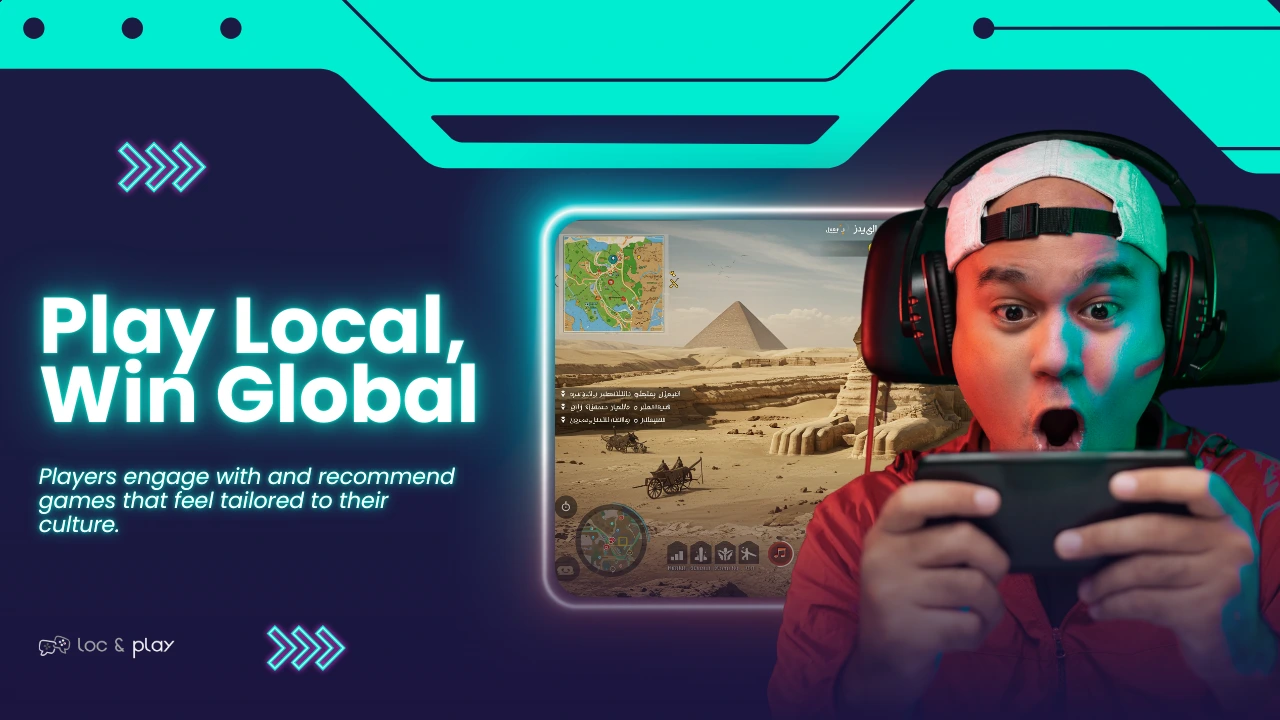
Accurate translation builds trust with local gaming communities. Players are more likely to engage with and recommend games that feel tailored to their language and cultural context.
4. Long-Term Brand Loyalty
When game programmers consistently provide well-translated games, they will build long-term loyalty across different regions. This loyalty can translate into sustained success for future releases and franchises.
Competitive Advantages for the Game
In a crowded global gaming market, professional translation can give developers an edge, because well-localized games stand out from competitors who may not invest in high-quality localization. Localized games can compete more effectively with local products, appealing to players who prefer games in their native language.
Many gamers prefer or only play games in their native language, giving localized titles an advantage. Besides, localized games have a better chance of being featured prominently on digital storefronts, leading to increased downloads and revenue.
Prevention of Cultural Missteps
Professional translators with cultural expertise can help avoid potentially offensive or inappropriate content, because professional linguists with cultural expertise can help avoid potentially offensive or inappropriate content. A skilled localizing team will handle the content to align with local cultural norms and expectations. The localization team will ensure games abide by local regulations and censorship requirements, avoiding legal issues. In addition, creative translation efforts can maintain a game’s unique style and humor while making it accessible to non-English players.
Diversify Sources of Revenue
Investing in professional translation can lead to significant financial benefits, because skillful localization will open the doors to new markets, expand the fan-base, and ultimately increase potential revenue streams.
Moreover, well-localized games lead to higher sales in international markets and can witness increased downloads and in-game purchases in new regions. To avoid copyright breach, providing official localized versions can help combat piracy in international markets. Likewise, localization will pave the way for opportunities for targeted marketing campaigns and partnerships in different regions.
Long-term Success
Professional translation contributes to the longevity and global success of the game, because if developers consistently render a well-translated game, they would build long-term loyalty across different regions. A strong localization foundation makes it simpler to update and expand games for international versions. Skilled localization fosters a more inclusive gaming community that spans different cultures and regions.
Furthermore, successful localization enhances a developer’s reputation in the global market, potentially benefiting future releases. The ongoing localization efforts, driven by player feedback and cultural trends, help games maintain their global popularity over time.
Successful Examples of Game Localization
Undoubtedly, there must be a zillion localized PC games that will showcase how good translation and localization services can work in favor of the game’s popularity. Here, we will take only 3 examples of such successful game localization:
The Witcher 3: Launched with 15+ languages, including fully dubbed Slavic dialects.
Pokémon: Adapts food, names, and traditions for each region (e.g., “Jelly Donuts” vs. “Rice Balls” in early editions).
Cyberpunk 2077: Featured localized slang and idioms for Latin American Spanish.
A Final Word
Professional translation and localization should be thought of as an investment, not an expense. To achieve success in the gaming industry, expert translation and localization is essential from the beginning stages of game design. If not handled properly, translation may lead to communication issues, dissatisfaction, negative publicity, even legal problems. Especially where the competition is tough, precise and culturally appropriate localization will ensure your game succeeds on a global scale.